Showing posts with label STREETCAR. Show all posts

Friday, May 25, 2012

BMW Zagato Coupe


BMW Zagato Coupe
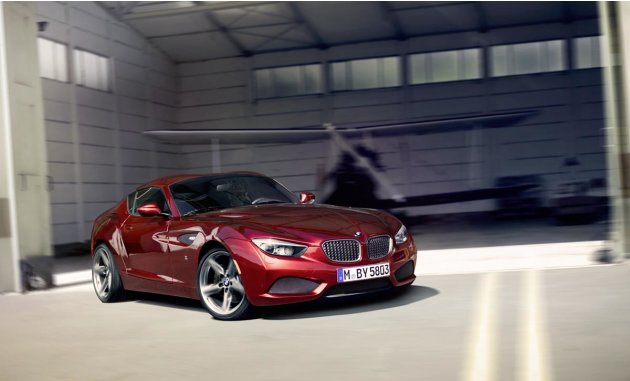
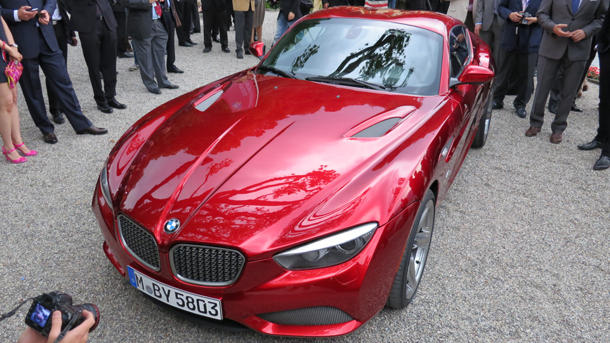
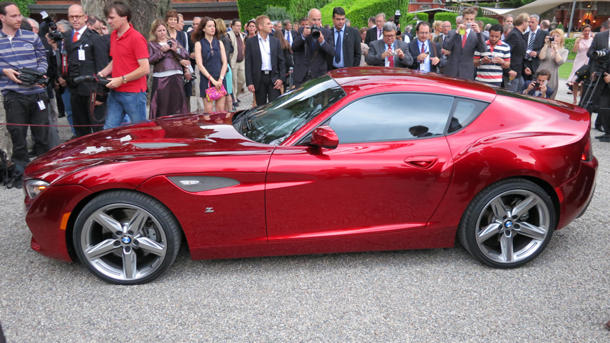
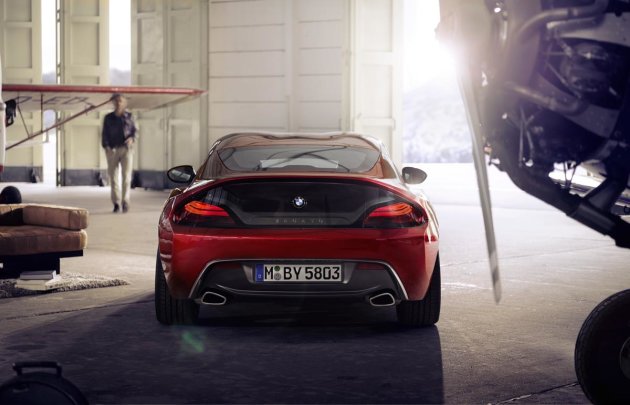
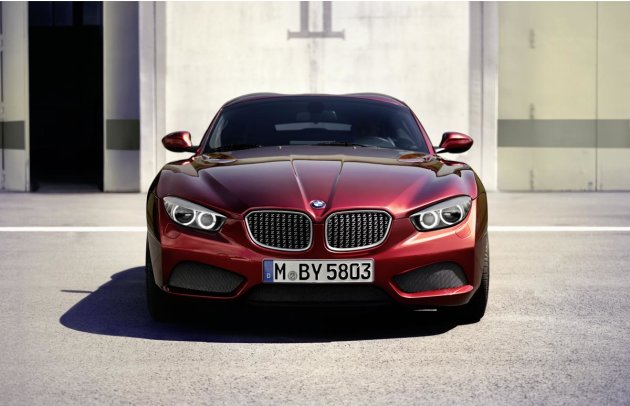
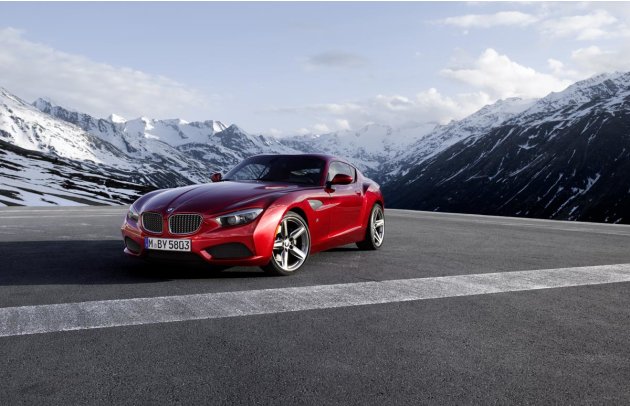
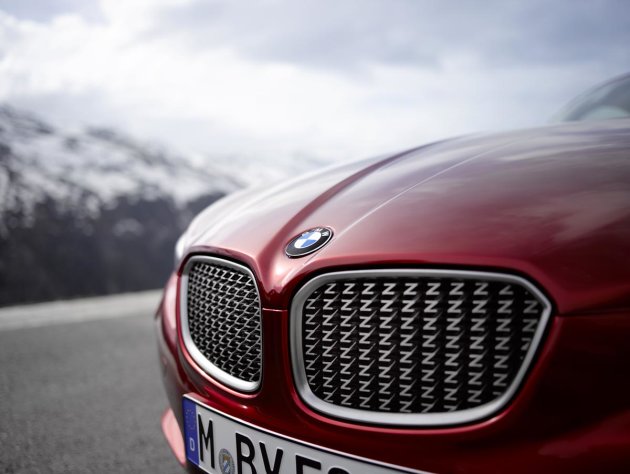
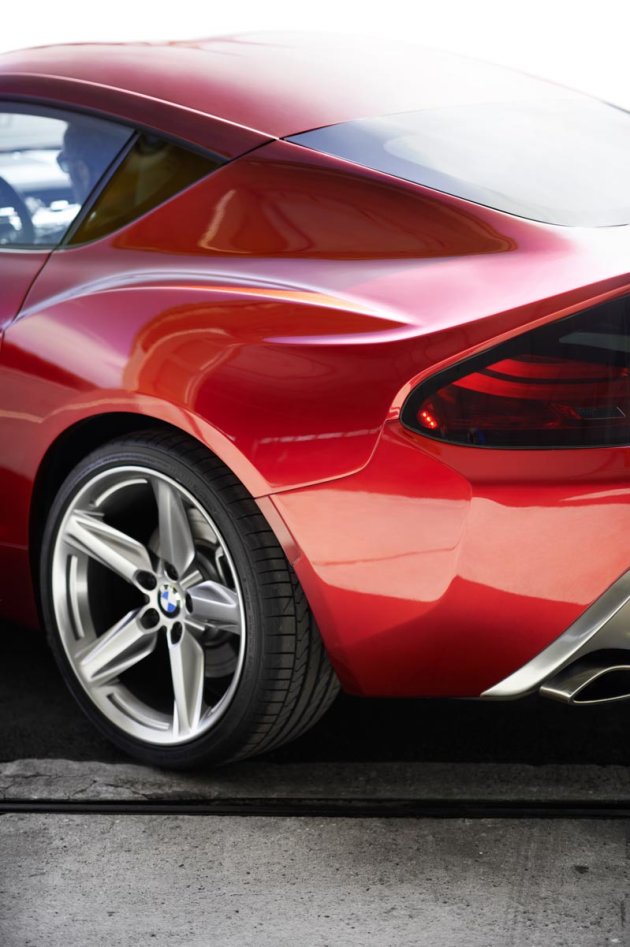
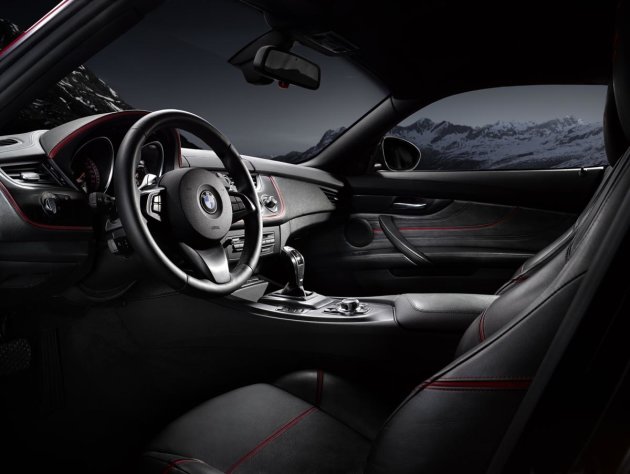
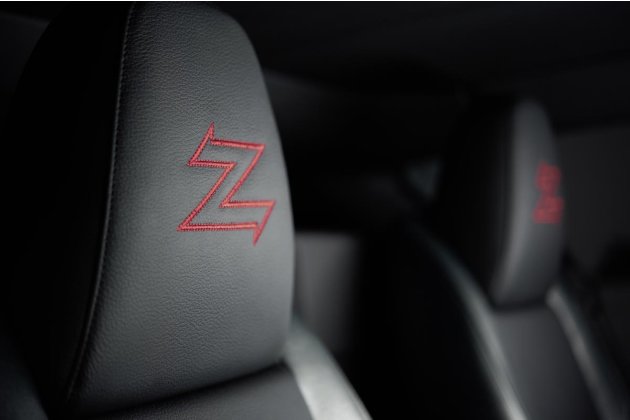
BMW has made a habit of unveiling a new and usually daring concept car at the Concorso d'Eleganza, a classic car gathering for Europe's crustiest upper crust on the shores of Italy's Lake Como. Here, first seen in Yahoo! Autos' Motoramic, are live shots of its latest, the BMW Zagato Coupe, a first-time pairing with the Zagato design house that suggests what could be.
The Zagato name conjures images of fleet Alfa Romeos and Aston Martins among collectors, and the family has managed to maintain an independent business building limited-edition automotive bodywork while most competitors were either sold to corporations or went out of business. While BMW has called on Italian designers in the past to breathe new life into its cars -- namely in the '70s and '80s, with models such as the original M1 -- it has never worked with Zagato.
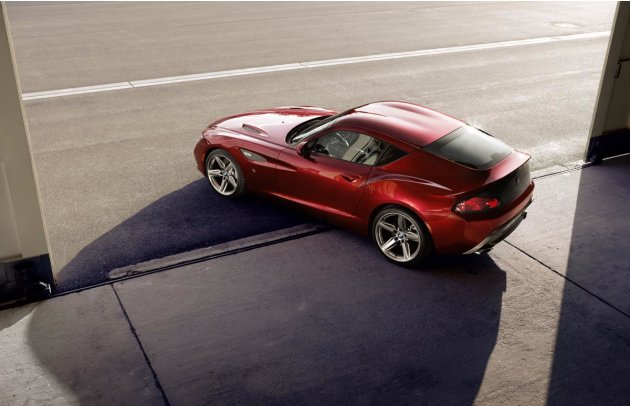
Built mostly by hand, the BMW Zagato isn't meant to suggest a production car and the two companies have no plans to build more -- but the one they did bolt together isn't a designer's dream confined to the turntable, but a coupe that can be legally driven. There's several features that hearken more to Zagatos past than any BMW, especially the glass rear hatch and faint double-bubble  roof common to all racing Zagatos, but the overall effect suggests a upper-class successor to the Z4 coupe.
BMW Zagato Coupe
Previous BMW show cars like the 328 Homage and GINA concept were never meant for production, and some BMW execs say the Zagato isn't either. Yet why build a road-ready, realistic concept only to confine it to an Italian lakeside resort once a year?
Exteririor BMW Zagato Coupe
BMW Zagato Coupe
BMW Zagato Coupe
BMW Zagato Coupe
BMW Zagato Coupe
BMW Zagato Coupe 
BMW Zagato Coupe
Interirior BMW Zagato Coupe
BMW Zagato Coupe
BMW Zagato Coupe
BMW Zagato Coupe
READ MORE - BMW Zagato Coupe

Sunday, May 13, 2012

Custom Honda Civic VTI


Modification data :

Eksterior : Lips Custom, Wing Custom. 
Interior : Jok Sparco, Stir Sparco, Pedal Set Sparco, Seat Belt TAKATA, Doortrim Custom, Rollbar Custom, Tachometer Autometer Sport Comp II. 
Rims Tires : Velg Sparco 19 Inchi, Tire Continental Sportcontact 2, Suspensi TEIN, Strut Bar Cusco. Engine : Custom Exhaust System, Muffler HKS, Air Filter Simota, Oil Catch Tank Cusco.

READ MORE - Custom Honda Civic VTI

Thursday, May 10, 2012

New McLaren P12 Coming in 2013

The new February 2012 issue of AUTOBLITZ Magazine leads on our exclusive inside story on the new McLaren P12 - Woking's spiritual successor to the F1.
We'll see the new hypercar within the next 12 months, but CAR has compiled a scoop dossier on the P12. Buy the new February issue to see the full set of three artist's impressions, compiled with the help of sources within McLaren who have seen the clay styling buck.

McLaren P12: the artist's impressions

The P12 looks 'like something out of iRobot,' according to our insider – way more dramatic than the supercar-by-numbers MP4-12C.
This is McLaren design chief Frank Stephenson's first clean-sheet design; he could only influence minor details on the 12C, like the front bumper. Hence the double-bubble roof and a canopy-style glasshouse which is said to dominate the front of the P12.

The tech powering the 800bhp McLaren P12

Our eight-page magazine feature reveals plenty of detail about the new McLaren supercar, codenamed P12. It follows in the footsteps of the P11, the project codename which begat the MP4-12C (and also comprehensively scooped by AUTOBLITZ Magazine – four years before it went on sale!).
The P12 will use a similar carbon Monocell structure as the MP4-12C, but with less budgetary restraint – the P12 will cost a reputed €750,000 – there is even more carbon in the bodyshell and structure, to trim weight to the absolute minimum.

The MP4-12C's 3.8-litre twin-turbo V8 will be used in the P12, but it will be paired with a KERS energy storage system to provide bursts of electric power for overtaking. Our story reveals how early styling mock-ups of the P12's cabin had F1-style pistol grip steering wheels with big red boost buttons to deploy the KERS overtaking boost.
Unlike the original F1, the P12 will have a two-seat cabin, this time; McLaren Automotive managing director Anthony Sherrif told CAR they experimented with a three-seat layout like before, but it messed with the dimensions too much.
READ MORE - New McLaren P12 Coming in 2013

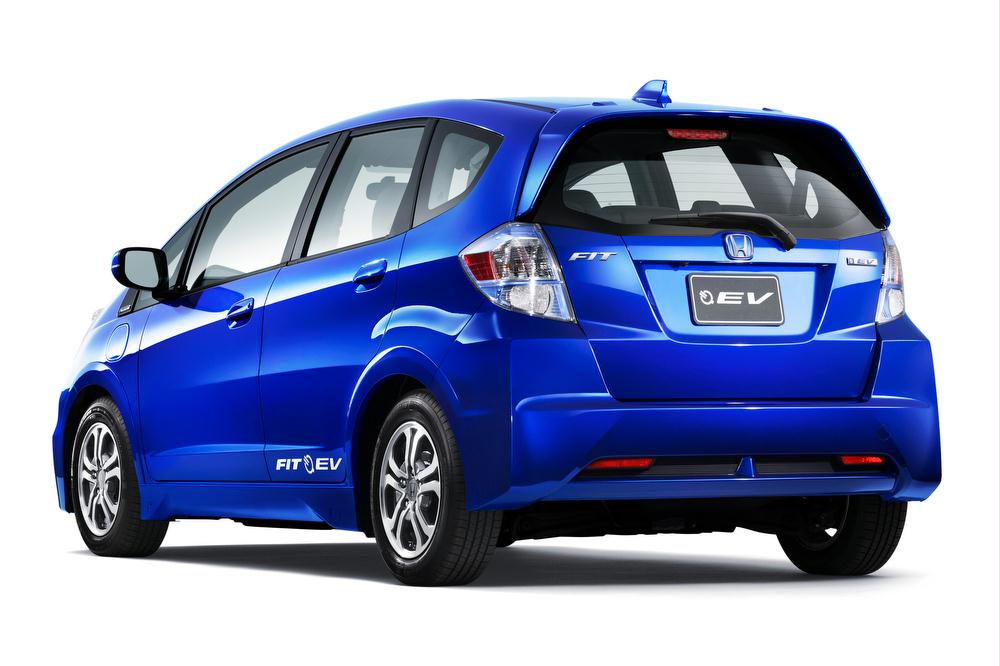
2013 Honda Fit EV 5-Door

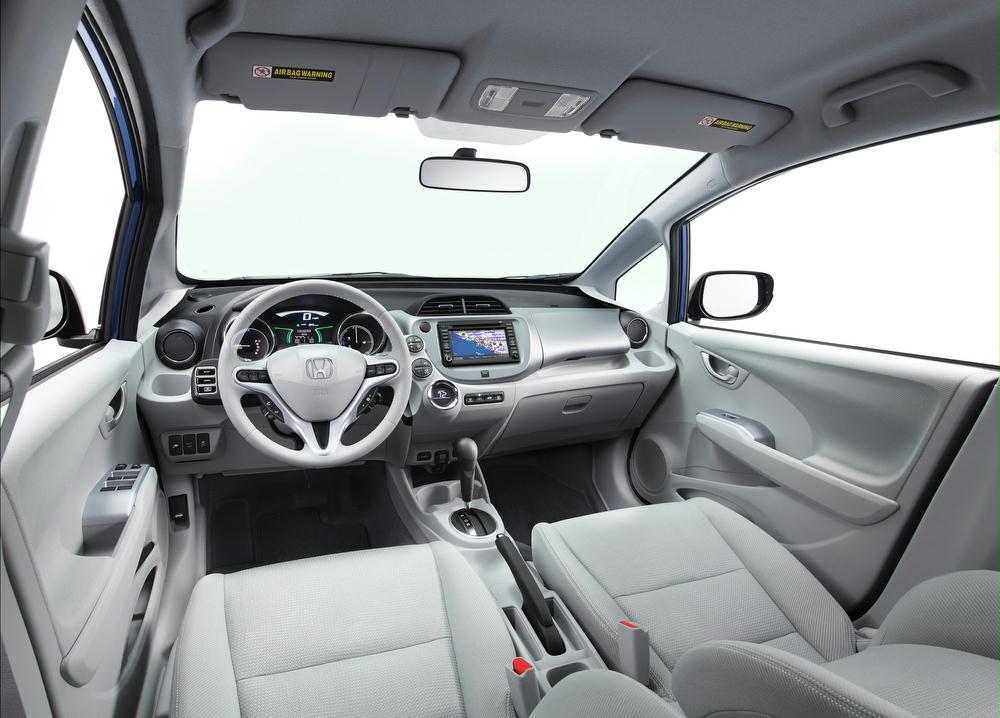
The 2013 Honda Fit EV is an electric version of the automaker's subcompact Fit 5-door hatchback. It will be available to lease for $389 per month in California and Oregon in the summer of 2012, followed by selected East Coast markets in 2013. The lease payment includes scheduled maintenance and 24-hour roadside assistance.
 
Exterior Features
Honda plans to lease no more than 1,100 Fit EVs during a 3-year planned production run. All of them will be painted in Reflection Blue Pearl, a color unique to this model. Additionally, the Fit EV is adorned with "EV" badges, identifying decals on the car's flanks, chrome front trim, clear-lens taillights, a rear spoiler, and 15-inch aluminum wheels that are specific to this model. The Fit EV also receives more aerodynamic front and rear bumper covers, according to Honda, as well as side skirts to improve airflow around the car and extend driving range.
Interior Features
Occupants sit higher in the Fit EV, because the battery is installed under the car's floor. Seats are upholstered in ecologically responsible bio-fabric, and the Fit EV's electronic gauge coloring changes between green, white and red depending on whether the car is operating in Econ, Normal or Sport modes.

A standard telem
atics system with smartphone and computer applications allow the owner to remotely keep tabs on the Fit EV's state of charge, initiate or terminate charging, pre-condition the car's cabin temperature using the air conditioner or heater, set charging alerts, and to program charging times for off-peak utility rate hours.

A navigation system is also standard, designed to help find the nearest charging stations, and the Fit EV's remote key fob allows for charging activation or termination as well as cabin pre-conditioning. The remote must be used within 100 feet of the vehicle.
Optional Features
Honda leases the 2013 Fit EV in a single state of specification. Options are not available, though dealers do offer a range of extra-cost accessories that may be added to the vehicle.
Under the Hood
The 2013 Honda Fit EV is equipped with a rechargeable 20-kilowatt-hour (kWh) lithium-ion battery that is located under the car's floor. The battery powers a 92-kilowatt electric motor, which drives the front wheels through the Fit EV's 3-mode electric drive system featuring Econ, Normal and Sport settings. Honda says that when driven in Econ mode, driving range for the Fit EV increases 17% over Normal mode. In Sport mode, acceleration improves, the automaker states.
Using a 240-volt outlet, the Fit EV can be recharged in as little as 3 hours, according to Honda. The company does not provide timing when using a standard 120-volt household outlet. Typically, however, using a standard outlet doubles recharging time at a minimum.
Driving Range
Honda says the new 2013 Fit EV should offer a 76-mile driving range in combined city and highway driving. Used exclusively for city driving, the company claims the car can travel 123 miles between visits to the charging station.
Safety
Honda says the Fit EV's battery is encased in a steel jacket and "is designed to be non-reactive in any crash or puncture." In addition to these measures and Honda's Advanced Compatibility Engineering body structure, the Fit EV is equipped with six air bags, anti-lock brakes with electronic brake-force distribution, and stability control.
READ MORE - 2013 Honda Fit EV 5-Door

Wednesday, May 9, 2012

2012 New York auto show

All Show Car in USA,The 2012 Detroit auto show was so busy that the near lack of debuts at the 2012 Chicago Auto Show may have given everyone a false sense that no new cars were coming to the 2012 New York auto show. Not true. Apparently, the Chicago auto show was just the eye of the storm as automakers unleashed a deluge of cool new vehicles that they've been holding back for the Big Apple. More than 20 new vehicles debuted at the show today, with more headed on our way on Day 2. Learn about all the models you may have missed below:

READ MORE - 2012 New York auto show

New 2013 Jaguar F-Type Sports Car at the 2012 New York Auto Show


Jag_delhi_auto_expo_press_conf_050112_10
The F-Type is expected to be shorter than the brand's familiar XK sports car, which is available as a coupe or a convertible. It will also have room for just two people, whereas the XK has seating for four (though the two rear seats are mostly for show).
Jaguar only offered a teaser image of the F-Type's taillight, but it says the production car will be unveiled before year's end.
F-type_teaser
Powertrain details weren't released, but Jaguar says the F-Type will offer a range of engines including a new powerplant family. The XK features a 5.0- liter V-8 engine that can be normally aspirated or supercharged.
The C-X16 concept's blend of aggressive styling cues and graceful proportions was a winning combination that should make for a stunning production car. The possibility that this sibling to the $85,000-plus XK could have a lower starting price only enhances its appeal.
READ MORE - New 2013 Jaguar F-Type Sports Car at the 2012 New York Auto Show

New 2013 SRT Viper at the 2012 New York Auto Show


2013_SRT_Viper

2013_SRT_Viper
The SRT Viper fits the bill with a radical new take on its iconic design, but this Viper only returns to the market thanks to Chrysler merger with Fiat and studying that brand's own muscle car, the Alfa Romeo 8c.


2012 New York Auto Show


Italian heritage in a sports car can't be a bad thing, but first let's focus on what makes this American car great: 640 horsepower through a normally aspirated V-10 engine with 600 pound-feet of torque. Those numbers almost make you forget that it's still the same basic engine as the last Viper, which was phased out in 2010.


Zero to 60 mph times for the new model weren't listed in the press materials, but the previous-generation Viper had a remarkable 3.8-second figure. We expect the 2013 SRT version to top it.


That's due in part to the added horsepower and torque — torque is up from 560 pounds-feet and Chrysler says it's the most torque from any naturally aspirated engine — as well as weight savings.


This snake's skin — sorry — is made out of lighter-weight materials with carbon fiber making up the roof for the first time and the rest of the body and chassis using materials like aluminum, magnesium as well as carbon fiber to keep weight to a minimum. The base Viper's weight is 3,354 pounds and lightens to 3,297 with an SRT Track Package. That's 105 pounds lighter than the previous model.


There will also be a Viper GTS for owners who are serious about taking it on the track.


What no one will likely be marveling at is the six-speed manual transmission. It's a Tremec TR6060, which is used in other high-powered cars like the Chevy Corvette ZR1, and it's not known for the smoothest or lightest of shifts. It's often used in these applications because it can handle all that power, but automakers like Nissan, with its GT-R, have foregone the manual transmission altogether to make their cars even faster.


Not being able to shift a new Viper yourself with a stick and left pedal would likely turn off the loyal Viper owner community, but the Viper does have cruise control ... for the first time.


Tires are vitally important to keeping this beast on the road while owners try to shift through the gears. Pirelli P-Zero tires are standard, with P295/30ZR18 in front and P355/30ZR19 in the back. Maybe this will inspire Chevy and other muscle-car makers putting 20-inch wheels on as many trims as possible. The Rattler wheels are available in either polished aluminum or painted Hyper Black or low-gloss black. Who's not picking one of the black options?


The interior will likely be welcome by previous owners who were treated to the most bargain basement of surroundings as the Viper aged. At what will likely be near six-digit prices, the interior should be covered in leather, and the SRT team says it is with accent stitching standard, too. The seats focus on racing so we expect they won't be too comfortable, but the company says it is the most spacious interior of the line.


There's also a 7-inch digital gauge cluster that is fully customizable. In the center stack, there's a standard 8.4-inch touch-screen with two available levels of multimedia options as we've seen in other Chrysler vehicles with the Uconnect system. There will also be a range of Harmon Kardon stereos from which to choose.


The SRT Viper is a special vehicle with only one distinct purpose: Go fast. Secondarily, it may be to look menacing. It seems it will achieve both.


Interior New 2013 SRT Viper
2013_SRT_Viper
2013_SRT_Viper
2013_SRT_Viper
2013_SRT_Viper
2013_SRT_Viper
2013_SRT_Viper
2013_SRT_Viper
2013_SRT_Viper
READ MORE - New 2013 SRT Viper at the 2012 New York Auto Show

New 2013 Porsche Boxster at the 2012 New York Auto Show


6898673420_3d9c3f70f9_b
The classic low-slung roadster shape carries over to the 2013 model year, but all-new styling introduces a design theme with more creases and sharper edges, particularly along the sides of the car leading to the scalloped intakes and over the rear wheels.


2012 New York Auto Show 


The headlight assemblies have a more vertical shape than before, but they don't dramatically alter the front end. In back, Porsche elegantly integrates the rear spoiler with the taillights.
7044762559_d9602703b8_b
New 2013 Porsche Boxster ,The Boxster also gets a redesigned interior that follows in the footsteps of other recent Porsches by adopting upscale materials befitting the car’s premium price. (The new Boxster starts at $49,500 plus destination.) The padded dashboard looks good, and a slimmer version of Porsche's button-centric center console separates the bucket seats.
READ MORE - New 2013 Porsche Boxster at the 2012 New York Auto Show

New Fisker Atlantic Concept at the 2012 New York Auto Show


FiskerAtlantic
Fisker Atlantic Concept
Fisker Automotive, the company behind the Karma range-extended electric car, has finally given shape and a name to the more affordable car heretofore known as Project Nina: The Atlantic appeared on the eve of the 2012 New York auto show as a concept. The company's co-founder and designer Henrik Fisker said the model is 90% into its development cycle. If the Karma is any indication, the real thing will look almost exactly like this concept, though Fisker says the interior will be changed substantially.
2012 New York Auto Show 
From its front-end design to its 22-inch wheels, the Atlantic is an obvious Karma sibling, though the company says it doesn't share the $102,000 luxury car's platform. Lighter and roughly the size of an Audi A6, the Atlantic is meant to be more affordable and mass-marketable, though the company is mum on a timetable and pricing. Originally, Project Nina was expected to go on sale in 2013 priced at around $50,000 to $60,000, a reasonable range to compete with the Tesla Model S, for which competitor Tesla has similar goals.
Fisker has revealed little about this model's drivetrain except to say it mirrors the Karma in principle; it's a series hybrid that provides a limited electric-only range before a gas-powered generator fires up to keep the car going. The rear-wheel-drive car also adds an all-wheel-drive option. Fisker says this second-generation powertrain will drive its generator with a four-cylinder gas engine from BMW.
While this four-door is noticeably smaller than the Karma, the roofline is higher, and "spider" cross-bracing leaves only a glass roof above the rear passengers for more headroom. Its backseat is said to be roomier, and the battery pack that runs through the middle of the cabin appears to be a bit lower. The trunk is also larger, and the rear seats fold forward — a rarity among hybrid and battery-powered sedans.
Though it's been knocked down a couple of times by high-profile setbacks, Fisker seems to be adept at getting back up. Battery supplier A123 Systems has taken responsibility — and is footing the bill — for a recall to replace the battery packs on 2012 models, a few of which have failed completely. In March, due to Project Nina delays, the U.S. Department of Energy froze payments to Fisker from a $529 million loan. Then, just days before the Atlantic concept's introduction, the company announced having raised $392 million in private funding. Now Fisker is re-evaluating whether the Atlantic will be built at a former GM plant in Wilmington, Del. "We're still looking at Wilmington as our primary choice right now," said Fisker's recently appointed CEO Tom LaSorda. "I always look for other options."
See more Galeri :
Fisker Atlantic Concept
READ MORE - New Fisker Atlantic Concept at the 2012 New York Auto Show

New 2013 Cadillac SRX at the 2012 New York Auto Show


2013-Cadillac-SRX-00167
Cadillac is showing off its changes to the SRX crossover at the New York International Auto Show. The SRX was last redesigned for the 2009 model year, and it gets some exterior tweaks and new interior goodies for 2013.
2012 New York Auto Show 
Outside, there's a new design for the upper and lower grilles, front fender vents with LED "light pipes," plus new colors and 20-inch chrome and polished aluminum wheel designs.
Inside, Cadillac is adding its CUE system, which is Cadillac's version of Chevrolet's MyLink or Buick/GMC's IntelliLink system. CUE, which stands for Cadillac User Experience, will give owners access to hands-free texting, navigation and traffic updates, and Pandora or Stitcher applications when a smartphone is tethered to the system. Other interior upgrades include two additional USB ports, an SD card slot, an auxiliary input jack and a 12-volt power outlet. The SRX's steering wheel, shift knob and instrument cluster also get updated designs. HD radio is newly standard.
Also new are Rear Cross Traffic Alert, Cadillac's Safety Alert Seat systemand adaptive cruise control. For 2013, Cadillac has added active noise cancellation, which uses microphones to detect and suppress ambient noise for a quieter ride.
The SRX is still powered by the 308-horsepower, 3.6-liter V-6 and is available in front- or all-wheel drive. No word yet on prices; it goes on sale this fall.
Exterior New 2013 Cadillac SRX 
2013-Cadillac-SRX-00323
2013-Cadillac-SRX-00229
Interior New 2013 Cadillac SRX 
2013-Cadillac-SRX-00406
READ MORE - New 2013 Cadillac SRX at the 2012 New York Auto Show

Thursday, April 26, 2012

Custom Hyundai Genesis Coupe (RMR) Bodykit


Hyundai Genesis Coupe (RMR) has been unveiled in Vegas at this year’s SEMA show. RMR Hyundai Genesis Coupe received the 2.0-liter turbocharged engine that has beenupgraded by the addition of a Turbonetics turbocharger, waistgate, and blow-off valve. To ensure better engine breathing, RMR Hyundai Genesis Coupe comes equipped with a custom intake manifold.
Hyundai Genesis Coupe (RMR) gets more improvement on its performance due to the reduced weights with carbon fiber attached on this car includes carbon fiber body panels, hood, doors, roof, fenders, deck lid, front fascia, and also side skirts.
RMR Hyundai Genesis Coupe sits on 18 by 9.5-inch front and 18 by 10.5-inch rear SSR type-F competition lightweight wheels.
Hyundai Genesis Coupe RMR
Press Release
In February, Rhys Millen Racing (RMR) approached Hyundai Motor America with a unique concept to introduce the all-new 2010 Hyundai Genesis Coupe to the aftermarketand racing enthusiasts prior to its spring 2009 on-sale date. The RMR-designed “Art of Speed” Genesis Coupe called for a vehicle with the visual impact to win awards at the 2008 Specialty Equipment Market Association (SEMA) Show while boasting sufficient performance to put the driver in the winner’s circle the following weekend. Backed by Rhys Millen’s reputation both on the track and in the aftermarket, Hyundai delivered its first prototype Genesis Coupe 2.0T to the RMR shop on August 8, allowing just 12 weeks of build time before the doors opened at SEMA in Las Vegas on November 4.
A crew of six RMR employees promptly stripped the car to bare metal. At the same time, the crew began custom-fabricating new aftermarket parts and accessories for the Genesis Coupe which are certain to be among the first available in the aftermarket onceHyundai’s newest addition takes to the streets next year.
In the weeks that followed, RMR developed a machine that retains the distinct, bold look of the Genesis Coupe, but adds flair with custom components on the exterior, a radically altered racing-spec interior and serious performance enhancements from under the hood all the way to the pavement.
RMR Hyundai Genesis Coupe
Hyundai Genesis Coupe (RMR) – INTERIOR
The interior of the “Art of Speed” Genesis Coupe is unrecognizable from its origins as a well-appointed 2+2 coupe designed with everyday driving in mind. All comfort and convenience features are removed to make way for a custom-fabricated eight-point safety cage and firewall which reinforce the Genesis Coupe’s already stiff chassis. By removing the roof, the RMR fabricators welded every aspect of the safety cage to the frame of the car. The braces on the A and B pillars also tie into the strength of the body. The safety cage is required for racing and a single Sparco racing seat further protects the driver in the overhauled cockpit.
RMR Hyundai Genesis Coupe Picture
Hyundai Genesis Coupe (RMR) – CARBON FIBER BODY PANELS
Millen quickly decided to take the already light weight Genesis Coupe and make it even lighter. A second Genesis Coupe was used to construct molds which allowed body panels to be replicated out of carbon fiber. The carbon fiber panels range from 50 percent to 80 percent lighter than the sheet metal they replaced. This weight-saving approach is carried throughout the car without compromising its powerful curves, surface detail and “Z” bodyside line. The hood, deck lid, roof, doors, fenders, front fascia and side skirts are all built out of carbon fiber. For example, a factory Hyundai Genesis Coupe door weighs 68 pounds but modifications made by RMR reduce the door weight to just 8.5 pounds.
The side skirts have functional flat rocker panels with ducts to pull air out from underneath car. A functional splitter on the front fascia and a built-in diffuser create pressure without drag. A rear diffuser with long tunnels keeps the air moving underneath the car. Downforce has been further increased by an APR GTC-500 rear wing that is fully adjustable and was designed using Computational Fluid Dynamics (CFD) analysis. The hood is vented to dissipate heat and Aerocatch hood latches are used for safety.
The rear widebody fenders are made out of fiberglass and blend seamlessly into the vehicle design with a creative painting concept.
RMR Hyundai Genesis Coupe Image
Hyundai Genesis Coupe (RMR) – SUSPENSION
The RMR Genesis Coupe utilizes a KW coilover suspension with two-way adjustable damping technology. Adjustable chrome molly sway bars dial the suspension in further for true track performance. RMR Racing also fabricated adjustable lower control arms.
RMR Hyundai Genesis Coupe RMR Image
Hyundai Genesis Coupe (RMR) – TURBO KIT
The spirited 2.0-liter turbocharged engine which comes standard on the Genesis Coupe 2.0T is enhanced by a Turbonetics turbocharger, waistgate and blow-off valve to provide extra horsepower and torque. RMR also designed a custom intake manifold to ensure better engine breathing.
RMR Hyundai Genesis Coupe Hood
Hyundai Genesis Coupe (RMR) – WHEELS, TIRES AND BRAKES
To ensure that the enhanced power plant translates all the way to road performance, RMR added 18 by 9.5-inch front and 18 by 10.5-inch rear SSR type-F competition lightweight wheels and Bridgestone Potenza soft compound race slicks. The wheels surround the factory Brembo brake calipers which are already ideal for racing.
RMR Hyundai Genesis Coupe RMR Photo
Hyundai Genesis Coupe (RMR) – PAINT SCHEME
The paint scheme is a combination of Hyundai blue, silver and unpainted black carbon fiber with its signature weave pattern. Most of the upper steel body components including rear fender and A and B pillars are painted Hyundai blue. The front fascia is blue and silver with carbon fiber accents. The hood is black and blue. The carbon fiberdoors have silver accents and the silver is carried down to the side skirts and into the rear fender.
RMR Hyundai Genesis Coupe Photo
Hyundai Genesis Coupe (RMR) – PARTS
All of the parts for the RMR Genesis Coupe are built with a modular design. A customer could put on all the parts at once or add them one at a time. The carbon fiber decklid, hood, rocker panels, rear fenders, front fascia, front fenders and rear diffuser all havemolds and will fit the factory mounts and could be sold in the future.
READ MORE - Custom Hyundai Genesis Coupe (RMR) Bodykit